Most beginners believe they need a website to start earning affiliate commissions. They assume you need hosting, a domain, WordPress knowledge, and months of SEO work before your first sale. That assumption stops thousands of people from ever starting.
The truth is you can do affiliate marketing without a website in India — and many successful affiliates earn their first commissions without ever owning a domain name. WhatsApp groups, Instagram accounts, YouTube channels, Telegram communities, Pinterest boards, and even Quora answers all serve as legitimate platforms for sharing affiliate links and driving sales.
India's digital landscape makes this particularly viable. With over 550 million WhatsApp users, 350+ million Instagram users, and widespread UPI adoption that makes online purchasing frictionless, the infrastructure for website-free affiliate earning already exists on the phones people carry every day.
This doesn't mean websites aren't valuable — they are, especially for long-term SEO traffic. But waiting to build one before earning your first commission is unnecessary. You can start today with platforms you already use, and build a website later once your affiliate income justifies the investment.
This guide covers every practical method for affiliate marketing without a website in India — which platforms work, which programs to join, and exactly how to share links that convert. The approach works regardless of whether you're exploring this as a side income or building toward full-time affiliate marketing earnings.
Best Platforms for Affiliate Marketing Without a Website
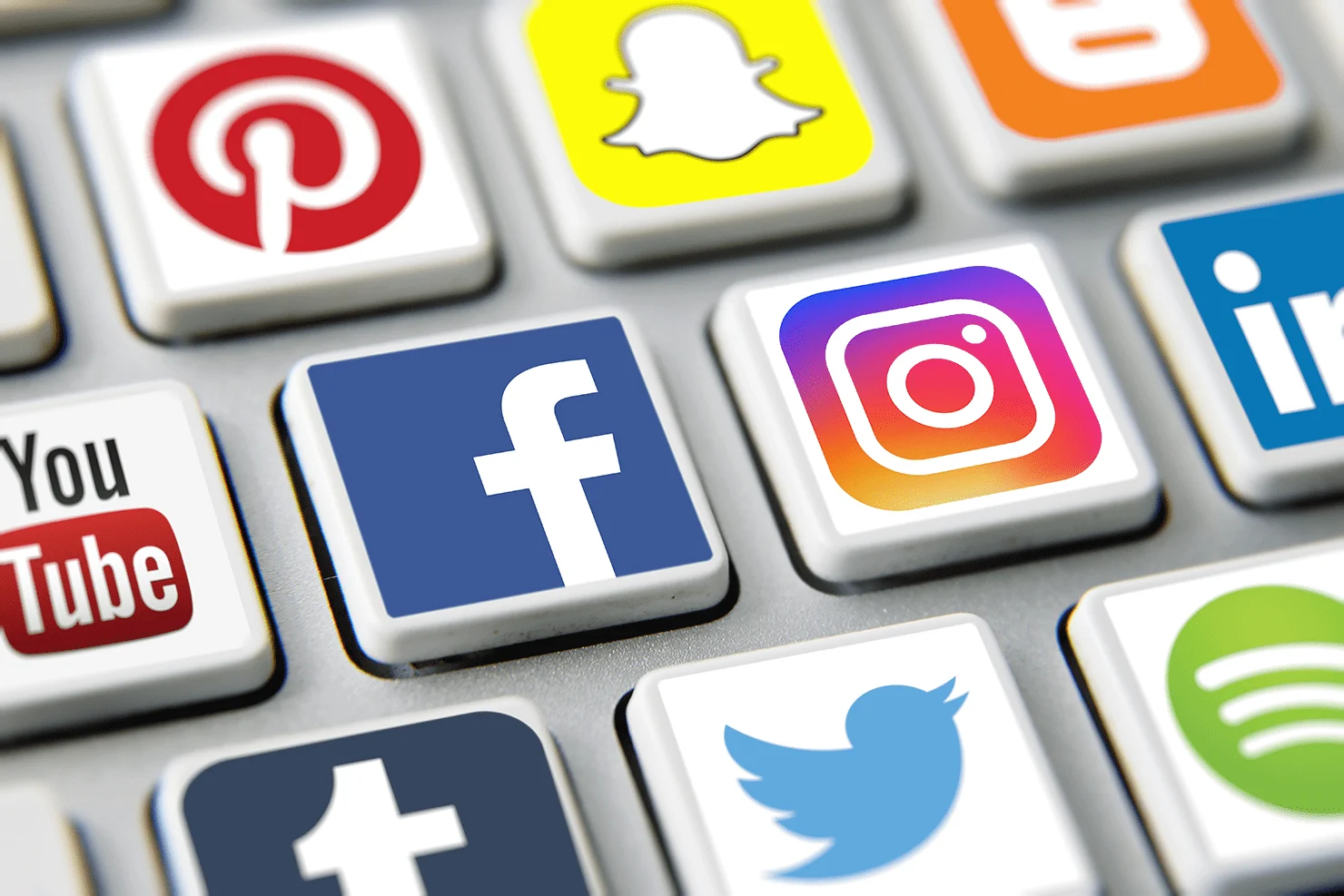
Each platform offers different strengths for promoting affiliate links. Understanding how people use each platform helps you match your promotional approach to the audience's mindset.
WhatsApp: The Highest-Trust Affiliate Channel
WhatsApp is India's most powerful platform for website-free affiliate marketing because messages come from people the recipient knows and trusts. A product recommendation in a WhatsApp message converts at dramatically higher rates than the same recommendation in a social media feed.
How to Promote on WhatsApp
- WhatsApp Status — post product deals, flash sale alerts, and personal reviews. Contacts browse Status voluntarily, making it less intrusive than direct messages.
- Niche deal groups — create groups like "Best Daily Deals Under ₹1,000" or "Tech Deals This Week." Members who join voluntarily are already interested in your recommendations.
- Broadcast lists — send personalized deal messages to up to 256 contacts at once. Each recipient receives the message as a personal chat.
- Contextual sharing — when someone in a group asks "which phone should I buy?" — that's your natural moment to share an affiliate link with a genuine recommendation.
WhatsApp Business Features for Affiliates
Switch to WhatsApp Business (free) for features that enhance your affiliate promotions: product catalog for displaying items with images and prices, quick replies for common questions, labels for organizing contacts by interest category, and a business profile that adds credibility.
Instagram: Visual Product Discovery That Converts
Instagram reaches over 350 million users in India, and its visual format is perfectly suited for product promotion — especially in fashion, beauty, tech, home decor, and lifestyle niches.
How to Promote on Instagram
- Reels — short-form product reviews, unboxing videos, and "things you need" content reach new audiences through algorithmic distribution. Even accounts with small followings can get thousands of views on Reels.
- Stories with link stickers — share affiliate links directly through Instagram Stories. Add a product photo, your brief review, and a link sticker that takes viewers to the purchase page.
- Carousel posts — create "top 5 products" or comparison carousels that showcase multiple affiliate products in a single engaging post.
- Bio link — use a link-in-bio tool like Linktree to house multiple affiliate links that followers can access anytime.
Building an Instagram Audience for Affiliate Promotions
Consistency matters more than follower count. Post 4-5 Reels per week in your niche, use relevant hashtags, engage with comments genuinely, and focus on providing value (honest reviews, real opinions, helpful comparisons) rather than pure promotion. Accounts with 2,000-5,000 engaged followers often earn more from affiliate links than accounts with 50,000 passive followers.
YouTube: Long-Form Content With Lasting Affiliate Potential
YouTube is the second-largest search engine, and product-focused videos attract viewers with high purchase intent. A YouTube video reviewing "best earbuds under ₹2,000" gets discovered through search for months or years after upload.
How to Promote on YouTube
- Product review videos — detailed reviews of individual products with your affiliate link in the description. Show the product in use, discuss pros and cons honestly, and tell viewers where to buy.
- Comparison videos — "Product A vs Product B" side-by-side comparisons target viewers actively choosing between options. High purchase intent means high conversion rates.
- Best-of roundups — "Top 10 Amazon Finds Under ₹1,000" style videos are endlessly shareable and include multiple affiliate links.
- How-to tutorials — "How to Set Up a Home Office" or "Complete Skincare Routine for Beginners" naturally recommend products with affiliate links.
Getting Started on YouTube Without Expensive Equipment
Your smartphone camera is enough. Use natural lighting, free editing software (CapCut or DaVinci Resolve), and speak naturally about products you know. Authentic, helpful content outperforms polished but generic videos every time.
Telegram: Deal-Sharing Communities That Drive Sales
Telegram channels are powerful for affiliate marketing because members join specifically to receive deals and product recommendations. The platform supports links, images, and formatted messages that make product promotions engaging.
How to Promote on Telegram
- Create a niche deal channel — "Amazon Daily Deals," "Fashion Finds Under ₹500," or "Student Tech Essentials." Share curated deals with your affiliate links daily.
- Time-sensitive alerts — flash sales, lightning deals, and limited-time offers create urgency that drives immediate clicks and purchases.
- Product comparison posts — quick comparison messages highlighting why one product is better than another, with affiliate links to both options.
Telegram's advantage is viral sharing — members forward your deal messages to their own contacts and groups, expanding your reach organically.
Pinterest: Visual Search Engine for Product Discovery
Pinterest functions more like a search engine than a social platform. Users actively search for product ideas, gift suggestions, and buying inspiration — making it a high-intent platform for affiliate promotions.
How to Promote on Pinterest
- Create product pins — design attractive pins featuring products with prices, ratings, and brief reviews. Link each pin to the affiliate product page.
- Build niche boards — organize pins into themed boards like "Best Kitchen Gadgets," "Affordable Fashion Finds," or "Home Office Essentials."
- Optimize for Pinterest search — use keywords in pin titles and descriptions that match what people search for on Pinterest.
Pins have an extremely long lifespan compared to social media posts. A single well-optimized pin can drive affiliate clicks for 6-12 months.
Quora and Medium: Written Content Without a Website
If you prefer writing but don't want to maintain a website, Quora and Medium provide platforms for publishing helpful content that includes affiliate links (within each platform's guidelines).
How to Use Quora
Answer questions related to your niche thoroughly and genuinely. When relevant, mention products with your affiliate link as part of a comprehensive answer. "What are the best budget laptops for students?" is a natural context for a detailed answer containing product recommendations.
How to Use Medium
Publish product reviews, buying guides, and comparison articles on Medium. The platform has built-in distribution through its recommendation algorithm, and articles can rank in Google search results — giving you both platform traffic and organic search traffic. Many successful affiliates started on Medium before later migrating to their own affiliate blogs with dedicated domains and full SEO control.
Best Affiliate Programs for Promotion Without a Website
Not every affiliate program requires a website. These programs accept social media, WhatsApp, YouTube, and other non-website traffic sources.
vCommission
vCommission is specifically designed for website-free affiliate promotion in India. Its "Profit Links" feature converts any product URL into an affiliate link that you share on WhatsApp, Telegram, Instagram, or any social platform. No website required. No technical setup. Beginner-friendly dashboard tracks your clicks and earnings.
vCommission partners with Flipkart, Myntra, Ajio, and other major Indian retailers — giving you access to products your audience already buys.
Amazon Associates
Amazon Associates accepts YouTube channels, Instagram accounts, and other social media profiles during signup. While having a website strengthens your application, it's not mandatory if you have an active social media presence with genuine followers.
Amazon's massive product catalog means you can find relevant products for any niche. The session-based commission model (earning on everything the buyer purchases, not just your linked product) maximizes earnings per referral.
Meesho
Meesho is built entirely for social selling — no website needed. Browse products, share images and prices on WhatsApp or social media, collect orders, and Meesho handles shipping and returns. You earn the margin between Meesho's base price and your selling price. Perfect for WhatsApp-based promotion.
Flipkart Affiliate Program
Flipkart's affiliate program accepts social media traffic and works well for electronics, fashion, and home products popular with Indian buyers. The commission structure is competitive, and Flipkart's brand recognition in India drives strong conversion rates.
Step-by-Step: Launching Your First Campaign Without a Website
Here's a practical path from zero to your first affiliate commission using only platforms you already have.
Step 1: Choose Your Primary Platform
Pick one platform to start — WhatsApp if you have active contacts, Instagram if you enjoy visual content, YouTube if you're comfortable on camera, or Telegram if you want to build a deal-sharing community. Master one before expanding.
Step 2: Select Your Niche
Focus on a product category you genuinely know about and your audience cares about. Tech accessories, fashion deals, kitchen gadgets, beauty products, and fitness equipment all perform well in India. Specificity beats generality — "budget earbuds under ₹2,000" is better than "all electronics."
Step 3: Join 1-2 Affiliate Programs
Sign up for EarnKaro (simplest for beginners) and Amazon Associates (broadest product catalog). Both are free and accept non-website traffic. Complete your profiles with your social media channels.
Step 4: Create Your First Content
Share your first product recommendation — a genuine review of something you use, a deal you found, or a comparison between two products you've tested. Include your affiliate link naturally within the content.
Step 5: Build Consistency
Share 3-5 product recommendations per week across your chosen platform. Consistency builds audience trust and compounds your reach. Track which products and content formats generate the most clicks and commissions through your affiliate dashboard.
Step 6: Expand to Additional Platforms
Once you're earning consistently on one platform, expand to a second. A WhatsApp affiliate can add Instagram Reels. A YouTube creator can add Telegram deal alerts. Each platform reaches different audience segments, multiplying your total reach.
Strategies That Maximize Earnings Without a Website

Success in affiliate marketing without a website requires specific approaches optimized for social and messaging platforms. Any experienced affiliate marketing agency would confirm that platform-specific strategies outperform generic, one-size-fits-all promotional approaches.
Lead With Deals and Discounts
Price-sensitive Indian buyers respond strongly to discounts. "₹500 off this blender right now" converts better than "check out this great blender." Festival sales (Amazon Great Indian Festival, Flipkart Big Billion Days), flash deals, and limited-time offers create the urgency that drives immediate purchases.
Add Personal Experience to Every Recommendation
A bare affiliate link gets ignored. A message saying "I bought this kitchen scale 3 months ago and use it daily — it's accurate, looks clean on the counter, and it's currently 30% off" converts because it combines personal experience, specific benefits, and a time-limited incentive.
Use Visually Compelling Content
Across every platform — Instagram, WhatsApp Status, Pinterest, YouTube — visual content outperforms text. Product photos (especially your own real photos), short video demos, unboxing clips, and before-after comparisons grab attention and build confidence in the product.
Time Your Promotions Around Buying Moments
Share kitchen products before Diwali (gifting season). Share electronics during sale events. Share fitness products in January (resolution season). Share school supplies before the academic year starts. Aligning your promotions with natural buying moments dramatically increases conversion rates.
Be Transparent About Affiliate Links
Tell your audience you earn a small commission when they buy through your links. This transparency actually increases trust and conversions because people appreciate honesty. "Full disclosure: I earn a small commission if you buy through this link — at no extra cost to you" is simple, honest, and effective.
Common Mistakes That Kill Website-Free Affiliate Earnings
Avoiding these errors saves months of wasted effort and protects your reputation.
Spamming Every Group and Contact With Links
The fastest way to get blocked, removed from groups, and lose trust is flooding people with irrelevant product links. Quality always beats quantity. One well-timed, relevant recommendation earns more than twenty random links.
Promoting Products You've Never Used
Your audience trusts your recommendations. Promoting products you have no experience with — just because the commission is higher — risks that trust. One bad recommendation can permanently damage your credibility.
Ignoring Platform Guidelines
Each platform has rules about promotional content. Instagram limits certain link formats. Quora penalizes overtly promotional answers. Amazon Associates has specific requirements about how you disclose affiliate relationships. Know and follow the rules for every platform you use.
Not Tracking Performance
Without tracking which products, platforms, and content formats generate the most commissions, you can't optimize. Use your affiliate dashboard to monitor every link's performance. Double down on what converts and stop sharing what doesn't.
Treating This as a Sprint Instead of a Marathon
Affiliate earnings compound over time. The first month might generate ₹500. The sixth month might generate ₹10,000. People who quit after two weeks of low results never reach the compounding phase. Consistency over months beats intensity over days.
When Should You Build a Website?
Starting without a website is smart. Staying without one forever limits your growth.
Consider building a website when your affiliate income reaches ₹5,000-₹10,000 per month consistently. At that point, the investment in hosting (₹200-₹500/month) is justified by the additional income a website generates through SEO traffic.
A website provides long-term advantages that social platforms can't match — full control over your content, search engine traffic that compounds over years, no dependence on any single platform's algorithm, and the professional credibility that helps you join premium programs and negotiate higher commissions.
The ideal progression is: start earning on social platforms → validate your niche and audience → build a website → use social platforms to drive initial traffic to the website → let SEO compound your organic traffic over time. Working through an established affiliate network at this stage gives you access to hundreds of brand campaigns, consolidated tracking across all your channels (social and website), and dedicated account management that helps optimize your growing affiliate portfolio.
Conclusion
Affiliate marketing without a website is not only possible in India — it's how thousands of affiliates earn their first commissions. WhatsApp's personal trust factor, Instagram's visual discovery, YouTube's search-driven traffic, Telegram's deal-sharing communities, and Pinterest's long-lasting pins each provide genuine promotional platforms that require zero financial investment.
The key is choosing one platform, selecting a focused niche, joining beginner-friendly programs like EarnKaro and Amazon Associates, and sharing genuine product recommendations consistently. Add personal experience, lead with deals, time your promotions around buying moments, and be transparent about affiliate relationships.
A website makes your affiliate business stronger long-term. But not having one today shouldn't stop you from starting. The platforms are free. The programs are free. The affiliate links are free. The only thing between you and your first commission is the decision to share your first genuine product recommendation.
Start today. Build a website later. Earn along the way.