
If you've ever wondered how brands connect with thousands of bloggers, influencers, and content creators to promote their products — and how those creators get paid accurately for every sale they generate — the answer is an affiliate network.
An affiliate network is a platform that acts as the intermediary between businesses (advertisers) that want to promote their products and marketers (affiliates) who promote those products in exchange for commissions. Instead of managing hundreds of individual partnerships directly, both sides use the network as a centralized hub for tracking, reporting, and payments.
Think of it like a marketplace. Advertisers list their offers. Affiliates browse, apply, and promote. The network sits in the middle — ensuring every click is tracked, every sale is attributed correctly, and every commission is paid on time.
Without affiliate networks, brands would need to build custom tracking systems, recruit affiliates individually, and manage thousands of payment relationships manually. Understanding how these networks operate is essential for anyone exploring affiliate programs as an income stream or a customer acquisition channel.
This guide covers what affiliate networks do, how they work technically, the benefits they provide, the different types available, and real examples you should know about.
How an Affiliate Network Works: The Technical Process
The mechanics behind affiliate networks are straightforward once you understand the three parties involved and how tracking ties everything together.
The Three Parties in Every Transaction
Every affiliate network transaction involves three distinct roles:
- Advertiser (Merchant) — the business selling a product or service. They create the offer, set commission rates, define conversion criteria, and pay for results. Examples include e-commerce stores, SaaS companies, insurance providers, and travel platforms.
- Affiliate (Publisher) — the marketer who promotes the advertiser's products to their audience. They create content, drive traffic, and earn commissions on conversions. Examples include bloggers, YouTubers, Instagram influencers, email marketers, and comparison website owners.
- Affiliate Network — the platform connecting advertisers and affiliates. It provides tracking technology, manages the relationship, handles payment processing, and ensures both parties fulfill their obligations.
How Tracking and Attribution Work
When an affiliate joins a campaign through the network, they receive unique tracking links. Here's what happens when a potential customer interacts with that link:
- The customer clicks the affiliate's tracking link embedded in content, a video description, a social media post, or an ad.
- The network's tracking system records the click and places a cookie in the customer's browser.
- If the customer completes the desired action (purchase, signup, form submission) within the cookie duration window, the network attributes the conversion to that affiliate.
- The network records the conversion in real time and displays it in both the affiliate's and advertiser's dashboards.
- After the validation period (to account for returns, cancellations, or fraud), the commission is confirmed and scheduled for payment.
This automated tracking system is the core value of every affiliate network — it ensures accurate attribution, prevents disputes, and creates transparency for everyone involved.
Cookie Duration and Its Impact on Conversions
Cookie duration determines how long after clicking an affiliate link the network will still credit the affiliate for a conversion. Common windows include:
- 24 hours — Amazon Associates uses this short window. The buyer must purchase quickly.
- 30 days — the standard across most networks. Captures buyers who research before purchasing.
- 60-90 days — used by SaaS and high-consideration products where decision cycles are longer.
- 365+ days — rare but available on some programs like SEMrush (370 days).
Longer cookie durations benefit affiliates because they capture delayed conversions. A 30-day cookie means someone can click your link today, spend two weeks comparing options, and return to buy on day 14 — and you still earn the commission.
Key Benefits of Affiliate Networks for Advertisers

Brands use affiliate networks because they solve several critical challenges in scaling customer acquisition through performance marketing.
Access to Thousands of Publishers Instantly
Building an affiliate program from scratch means recruiting publishers one by one — a slow, resource-intensive process. Networks provide immediate access to thousands of vetted affiliates across content creators, bloggers, influencers, coupon sites, cashback platforms, comparison websites, and email marketers.
This reach would take years to build through direct recruitment. A network delivers it from day one.
Performance-Based Cost Structure
Unlike traditional advertising where brands pay for impressions or clicks regardless of outcomes, affiliate networks operate on a performance model — advertisers only pay when a real result happens. A confirmed sale, a qualified lead, or a completed action triggers the commission payment. This eliminates wasted ad spend and ensures every dollar spent produces a measurable return.
Built-In Fraud Prevention and Compliance
Reputable affiliate networks invest heavily in fraud detection technology — identifying fake clicks, bot traffic, cookie stuffing, and other deceptive practices that inflate metrics without generating genuine customers. This protection saves advertisers from paying for fraudulent conversions and maintains program integrity.
Simplified Payment and Relationship Management
Without a network, an advertiser managing 500 affiliates would need to process 500 individual payments, handle 500 tax forms, and manage 500 communication channels. The network consolidates all of this — handling payments to all affiliates on scheduled cycles, managing compliance documentation, and providing a communication layer between advertisers and publishers.
Key Benefits of Affiliate Networks for Affiliates and Publishers
Networks provide equally significant advantages for the affiliates promoting products through them.
One Dashboard, Hundreds of Brands
Instead of applying to individual brands one by one, creating separate accounts, and logging into dozens of different dashboards, affiliates access hundreds or thousands of campaigns from a single platform. Browse campaigns by category, compare commission rates, and apply to multiple programs — all from one login.
This consolidation is what makes affiliate networks particularly valuable for publishers managing promotions across multiple niches and product categories.
Reliable Tracking and Transparent Analytics
Every reputable network provides real-time dashboards showing clicks, conversions, pending commissions, and confirmed earnings. This data helps affiliates understand which content, traffic sources, and products perform best — enabling data-driven optimization rather than guesswork.
Without network-provided tracking, affiliates would need to build their own attribution systems or trust individual merchants to report honestly — neither of which is practical at scale.
Consolidated and Predictable Payments
Managing payments from 20 different merchants individually is chaotic. Networks consolidate earnings from all campaigns and pay affiliates on a single, predictable schedule — weekly, biweekly, or monthly depending on the network. This centralized payment system eliminates the complexity of chasing individual brand payouts.
Account Manager Support
Most networks assign dedicated account managers who help affiliates optimize campaigns, suggest high-performing offers, troubleshoot tracking issues, and provide strategic guidance. This human support layer adds value that self-managed affiliate programs rarely offer.
Types of Commission Models Used by Affiliate Networks
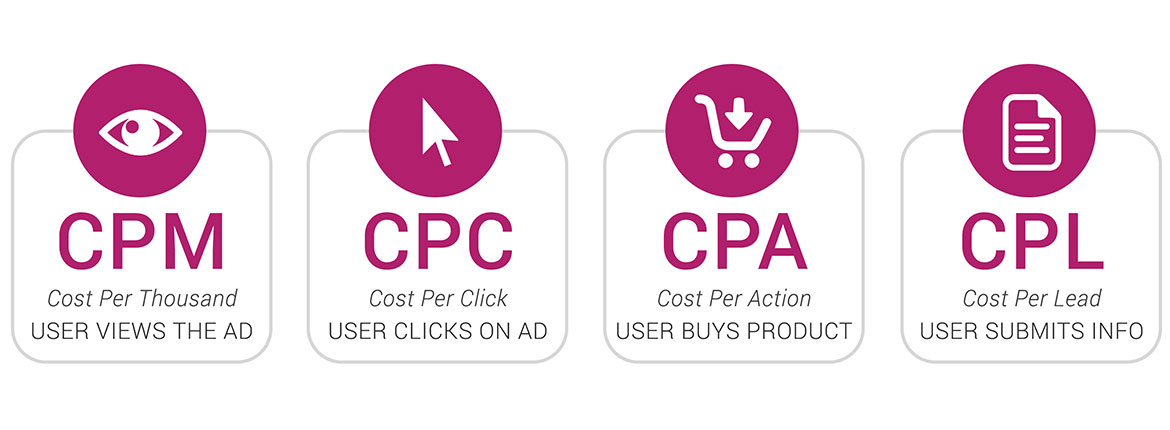
Different networks and campaigns use different commission structures. Understanding the models helps you choose campaigns that match your traffic type and audience behavior. This knowledge is fundamental for anyone working in digital marketing and performance-based promotions.
Cost Per Sale (CPS)
The most common model. You earn a percentage or flat fee when a referred customer completes a purchase. E-commerce and retail campaigns typically use CPS because the advertiser only pays when actual revenue is generated.
Examples: Amazon Associates pays 1-9% per sale. Fashion brands on ShareASale might pay 10-20% per sale. SaaS tools on Impact might pay $50-$200 per subscription purchase.
Cost Per Lead (CPL)
You earn when a referred user completes a specific action that doesn't involve a purchase — filling out a form, signing up for a free trial, requesting a quote, or creating an account. Finance, insurance, education, and B2B campaigns commonly use CPL because the sales cycle is longer and the initial conversion is a lead rather than a sale.
Cost Per Action (CPA)
A broader model covering any specified action — app installs, account verifications, first deposits, or completed surveys. CPA campaigns are popular in fintech, mobile apps, and gaming verticals where the desired outcome is a specific user action rather than a direct purchase.
Cost Per Click (CPC)
Less common in affiliate networks but still used in some campaigns. You earn for every click generated, regardless of whether the visitor converts. CPC payouts are lower per event but don't depend on conversion rates — useful for affiliates with high traffic volumes.
Hybrid Models
Some campaigns combine models — for example, a base CPC payment plus a bonus CPS commission for clicks that result in purchases. Hybrid models are increasingly popular because they reward both traffic generation and conversion quality.
Top Affiliate Network Examples You Should Know
The affiliate network landscape includes platforms serving different geographies, niches, and advertiser sizes. Here are the most established networks across global and regional markets.
vCommission
One of India's leading affiliate networks connecting affiliates with brands across e-commerce, finance, travel, and utility verticals. Supports CPA, CPL, and CPS models with real-time tracking and dedicated account management. Best for Indian affiliates wanting access to domestic and international campaign portfolios.
CJ Affiliate (Commission Junction)
CJ Affiliate is one of the largest and most established affiliate networks globally. It connects affiliates with premium international brands across retail, finance, technology, and travel. Known for advanced tracking, detailed reporting, and reliable payments. Best for experienced affiliates with established traffic who want access to Fortune 500 advertisers.
ShareASale
ShareASale hosts thousands of merchant programs across nearly every niche. It's known for its beginner-friendly interface, wide merchant variety, and strong mid-market advertiser base. Many small and medium businesses run their affiliate marketing programs through ShareASale, making it an excellent choice for niche content creators.
Awin
Awin is a global network with over 20,000 advertisers, particularly strong in European markets (UK, Germany, France). It supports multiple promotional channels and offers global payment options with multi-currency support. Best for affiliates targeting European audiences or wanting internationally diverse campaign portfolios.
Impact
Impact is a modern partnership management platform used by many leading brands. It goes beyond traditional network functionality with advanced automation, multi-touch attribution, and sophisticated partnership management tools. Many premium SaaS companies and direct-to-consumer brands run their programs on Impact.
Amazon Associates
The world's most popular affiliate program by participation. Access to millions of products, trusted global brand, and the unique advantage of earning commissions on any product the referred buyer purchases (not just the linked item). Lower commission rates (1-9%) are offset by Amazon's exceptional conversion rates.
ClickBank
Specializes in digital products — online courses, software, ebooks, and membership programs. Known for exceptionally high commission rates (30-75%) because digital products have minimal marginal costs. Popular among affiliates in education, self-improvement, and software niches.
Rakuten Advertising
A global network with strong brand partnerships, particularly in retail and e-commerce. Known for premium advertisers and quality-focused publisher relationships. Best for established publishers with proven traffic quality.
Admitad
A global network with strong international brand partnerships across retail, travel, fintech, and digital services. Advanced tracking technology and automation tools make it popular with professional marketers running campaigns across multiple geographies.
FlexOffers
A large US-based network with over 12,000 advertiser programs. Known for fast publisher approval, diverse campaign categories, and competitive payouts. Good for affiliates wanting variety across multiple verticals.
How to Choose the Right Affiliate Network for Your Needs

Not every network suits every affiliate or advertiser. The right choice depends on your audience, content type, geographic focus, and experience level.
Match the Network to Your Audience Geography
If your audience is primarily Indian, networks like vCommission, EarnKaro, and Admitad offer the most relevant domestic campaigns. For US traffic, CJ Affiliate, ShareASale, Impact, and Amazon Associates provide the strongest advertiser catalogs. For European audiences, Awin dominates.
Promoting campaigns targeted at the wrong geography wastes clicks and destroys conversion rates.
Evaluate Commission Structures and Payout Terms
Compare commission rates for similar campaigns across different networks. Also check minimum payout thresholds (some networks require $50-$100 in accumulated earnings before paying), payment frequency (weekly, biweekly, monthly), and available payment methods (PayPal, bank transfer, check).
Check Advertiser Quality and Brand Recognition
The strength of a network's advertiser base directly impacts your conversion rates. Promoting well-known, trusted brands converts significantly better than promoting unknown merchants — regardless of commission rates. Check which brands are available on each network before committing your promotional efforts.
Assess Tracking Reliability and Dashboard Quality
Real-time tracking accuracy is non-negotiable. Read reviews from other affiliates about tracking reliability, discrepancy rates (differences between what affiliates report and what the network credits), and dashboard usability. A network that under-reports conversions costs you money every day.
Consider Support and Account Management
For beginners, having access to a responsive account manager who can suggest campaigns, troubleshoot issues, and provide optimization advice significantly accelerates your learning curve. Networks with dedicated support are worth choosing over slightly higher-paying networks with no human assistance.
How Affiliate Networks Prevent Fraud and Maintain Quality

Fraud prevention is a critical function that separates reputable networks from unreliable ones.
Common Types of Affiliate Fraud
- Cookie stuffing — placing affiliate cookies on users' browsers without their knowledge, claiming credit for sales the affiliate didn't actually influence.
- Click fraud — using bots or automated scripts to generate fake clicks that inflate traffic metrics.
- Fake leads — submitting fabricated form data to earn CPL commissions without generating genuine prospects.
- Brand bidding violations — affiliates bidding on the advertiser's brand name in PPC campaigns, cannibalizing the brand's own paid search efforts.
How Networks Combat Fraud
Reputable networks use multi-layered fraud detection:
- Automated monitoring — algorithms analyze traffic patterns, click-to-conversion ratios, geographic anomalies, and behavioral signals to flag suspicious activity.
- Manual review — compliance teams investigate flagged accounts and verify conversion quality through call recordings, IP analysis, and transaction verification.
- Validation periods — the delay between conversion and commission confirmation gives networks time to verify legitimacy before paying.
- Publisher vetting — application review processes verify that affiliates have legitimate promotional channels before granting access to campaigns.
For advertisers, this fraud prevention ensures they pay only for genuine results. For honest affiliates, it protects the program's integrity and ensures campaigns remain active long-term rather than being shut down due to fraud-driven losses.
How to Get Started With an Affiliate Network
Joining and succeeding with an affiliate network follows a practical path. Whether you're exploring this as a new income stream or expanding an existing one, consider leveraging an established affiliate marketing company that aligns with your audience, content type, and promotional methods — it provides the tracking infrastructure, brand access, and payment reliability that make scaling your affiliate income realistic and sustainable.
Step 1: Choose a Network Based on Your Niche and Geography
Select 1-2 networks that match your audience's location and your content focus. Don't join every network — focus on the ones most relevant to your promotional strategy.
Step 2: Complete Your Application
Provide accurate details about your website, social media channels, traffic sources, and promotional methods. Having active content with genuine traffic strengthens your application.
Step 3: Browse and Apply for Campaigns
Once approved, explore available campaigns. Apply for offers that align with your audience's interests and needs. Start with 2-3 campaigns rather than applying to dozens simultaneously.
Step 4: Generate Tracking Links and Promote
Create your unique affiliate links for approved campaigns. Integrate them naturally into your content — blog posts, YouTube descriptions, social media, email newsletters, or paid ads depending on allowed promotional methods.
Step 5: Track, Optimize, and Scale
Monitor your dashboard for clicks, conversions, and earnings. Identify which campaigns and content pieces drive the strongest results. Double down on what works, drop what doesn't, and gradually expand to additional campaigns and networks as your experience grows.
Conclusion
An affiliate marketing agency is the infrastructure that makes performance marketing scalable for both businesses and publishers. It provides the tracking technology, advertiser-affiliate connections, fraud prevention, and payment processing that would be impossibly complex to manage individually.
For advertisers, networks offer instant access to thousands of publishers, performance-based pricing, and built-in fraud protection. For affiliates, they offer centralized dashboards, reliable payments, account manager support, and access to hundreds of campaigns across every vertical imaginable.
Whether you choose CJ Affiliate for premium global brands, ShareASale for niche variety, Amazon Associates for product breadth, ClickBank for digital product commissions, or vCommission for Indian market campaigns, the right network depends on your audience, geography, and promotional approach.
Start with one network that aligns with your content and audience. Master its campaigns and tools. Then expand to additional networks as your traffic, experience, and earnings grow. The affiliate ecosystem is built on networks — understanding them is the first step to building sustainable commission income