The best way to understand what makes affiliate marketing work in India isn't theory — it's studying real websites that generate real traffic and real revenue. These affiliate website examples in India span every model and niche, from coupon aggregators and cashback platforms to product review sites, finance comparison portals, and content-driven blogs.
Each website on this list has found a distinct way to attract organic traffic, build audience trust, and convert that attention into affiliate commissions — using different strategies that match their specific niche and audience behavior.
What makes studying affiliate website examples in India particularly valuable is understanding the diversity of approaches that work. Some earn through coupon and cashback commissions. Others monetize through product comparison links. Several earn through content-driven recommendations embedded in helpful articles. And a few combine affiliate revenue with display advertising and sponsored content.
This guide reviews 16 successful Indian affiliate websites across six categories — analyzing what they do well, how they drive traffic, and what you can learn from each model. Whether you're building your first affiliate site or optimizing an existing one through professional affiliate marketing services, these examples provide actionable blueprints.
1. DesiDime
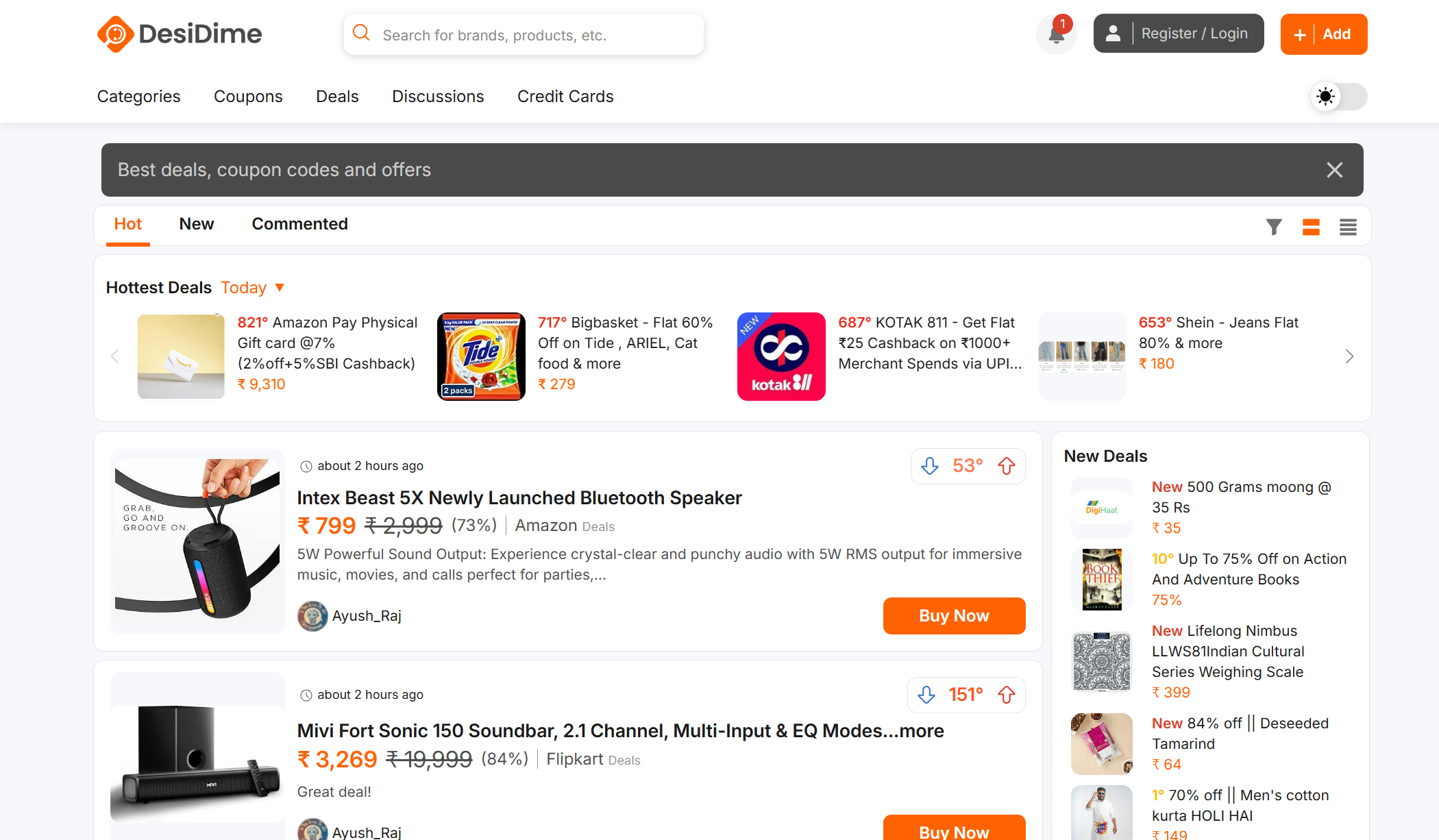
DesiDime is India's largest online shopping community — a hybrid between a deal-sharing forum and a coupon aggregation site. Members submit and vote on deals, creating a community-driven curation system.
How it works: Users submit deals they've found across Amazon, Flipkart, Myntra, and hundreds of other retailers. The community upvotes the best deals, which rise to the top. DesiDime earns affiliate commissions when users click through deal links and purchase.
What makes it successful: The community-driven model means DesiDime doesn't need to find every deal itself — its members do the curation. This creates an endless stream of fresh, verified deals with minimal editorial overhead. The forum format also generates enormous long-tail SEO traffic from deal-seeking search queries.
Key takeaway: Community-powered deal curation scales better than editorial-only approaches because users both contribute content and consume it.
2. Zingoy
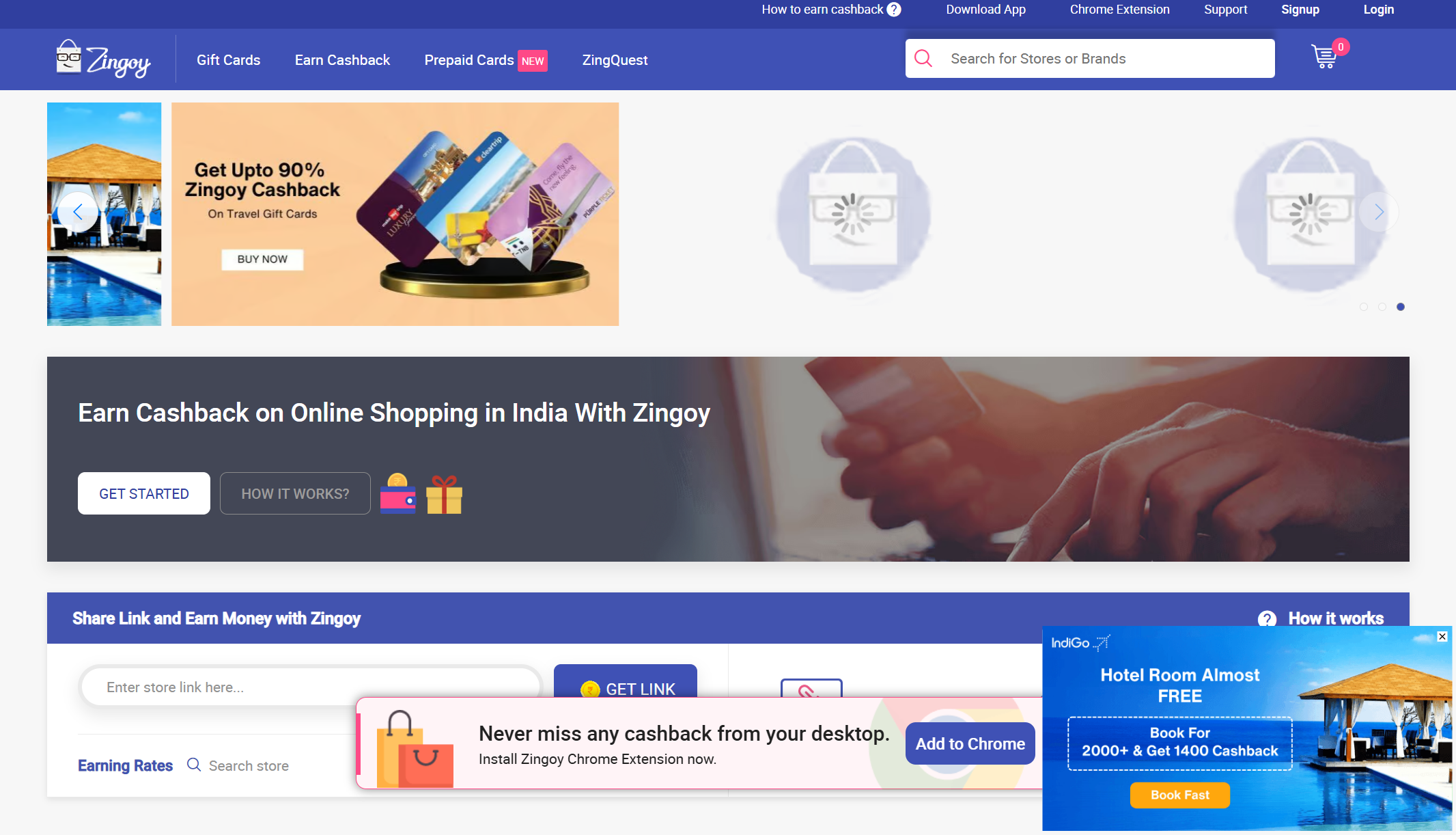
Zingoy is a cashback platform that rewards users for shopping through its affiliate links. Users browse deals, click through Zingoy's tracked links, complete purchases, and receive cashback deposited into their Zingoy account.
How it works: Zingoy earns affiliate commissions from retailers (Amazon, Flipkart, Myntra, etc.) and shares a portion of that commission with users as cashback. The platform retains the difference as revenue.
What makes it successful: The cashback model creates a compelling user incentive — shoppers get paid for buying things they'd purchase anyway. This drives repeat usage and platform loyalty. Zingoy also offers gift card purchasing with additional cashback, creating a secondary revenue stream.
Key takeaway: Sharing a portion of your affiliate commission with users (as cashback) reduces your per-transaction margin but dramatically increases transaction volume and customer retention.
3. CashKaro
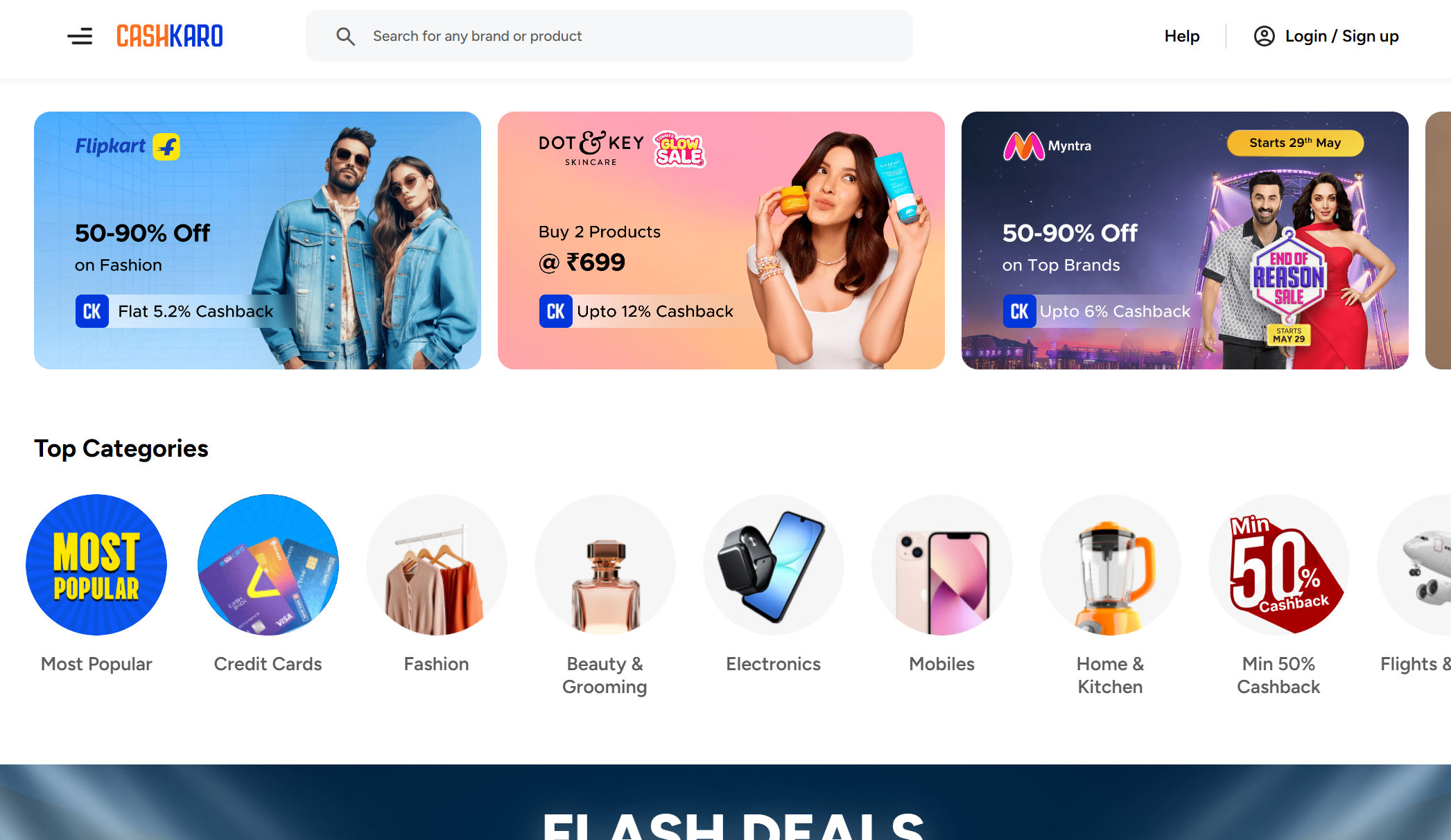
CashKaro is India's largest cashback and coupon platform, backed by Kalaari Capital. It partners with 1,500+ online retailers and has returned over ₹200 crore in cashback to users.
How it works: Similar to Zingoy but at larger scale. Users shop through CashKaro's links, earn cashback on every purchase, and can withdraw earnings via bank transfer or UPI. CashKaro earns the difference between the retailer's affiliate commission and the cashback paid to users.
What makes it successful: CashKaro has built strong brand recognition through aggressive marketing, celebrity endorsements, and a mobile-first app experience. The platform also runs EarnKaro — a separate product that lets users earn by sharing deals with their own networks (essentially turning users into affiliates).
Key takeaway: Building a brand around the cashback concept — not just operating a cashback tool — creates defensibility and user loyalty that pure-functional competitors struggle to match.
4. CouponDunia
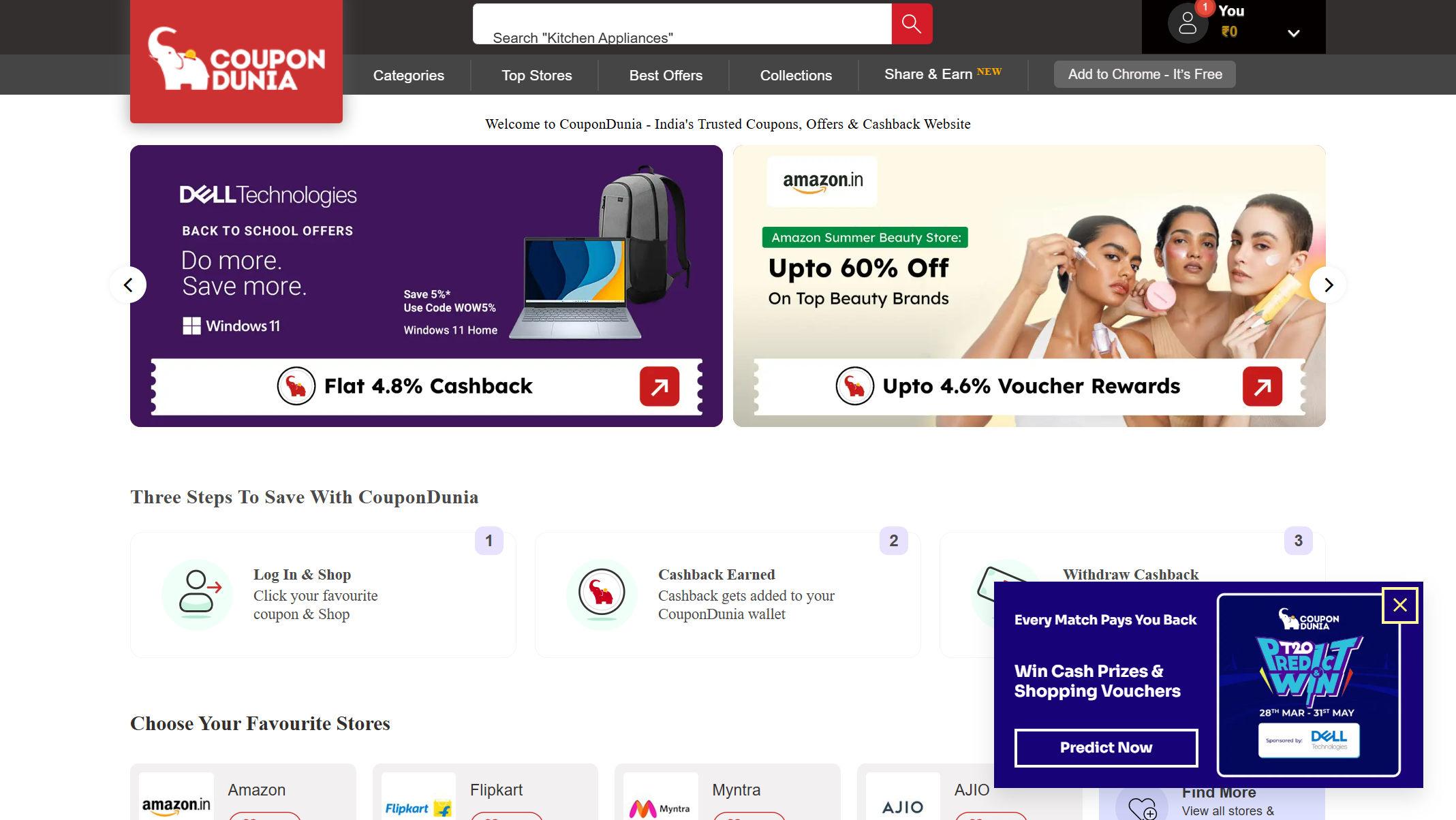
CouponDunia (acquired by Times Internet) is one of India's oldest coupon aggregation platforms, listing discount codes and deals across major Indian retailers.
How it works: CouponDunia lists verified coupon codes and deals for hundreds of online stores. Users find the coupon they need, click through the affiliate link, apply the code at checkout, and CouponDunia earns an affiliate commission on the completed purchase.
What makes it successful: Years of SEO investment have made CouponDunia rank prominently for "[brand] coupon code" and "[store] discount" searches — some of the highest-intent commercial searches in Indian e-commerce. The Times Internet backing provides resources for content and technology investment.
Key takeaway: Coupon-focused affiliate sites live or die on SEO for "[brand] coupon code" searches. Winning these rankings drives consistent, high-converting traffic.
5. GrabOn
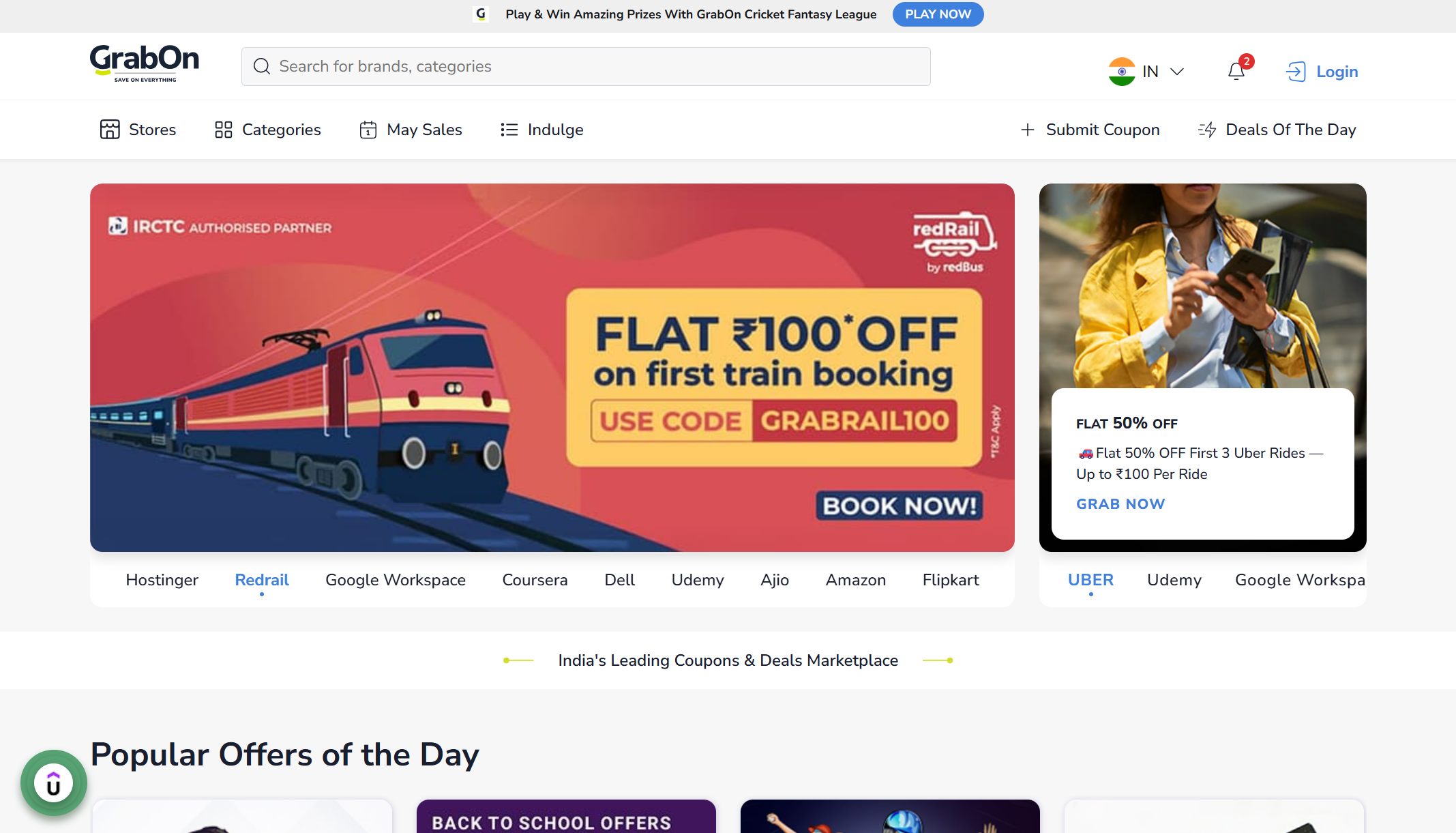
GrabOn is a coupon and deal aggregation platform that combines editorial curation with user-submitted deals and a clean, mobile-friendly interface.
How it works: GrabOn lists coupons, promo codes, and deals across categories — fashion, electronics, food delivery, travel, and more. Each deal links through affiliate tracking, earning commissions on completed purchases.
What makes it successful: GrabOn differentiates through editorial quality — well-organized category pages, regularly updated deal listings, and a user experience that makes finding relevant coupons fast. The platform also ranks well for "[brand] offers today" and "[category] deals" searches.
Key takeaway: Even in a crowded coupon space, superior user experience and content organization create competitive advantages that attract both users and search engine rankings. Many successful deal sites start as simple affiliate blogs before evolving into full platforms.
6. MySmartPrice
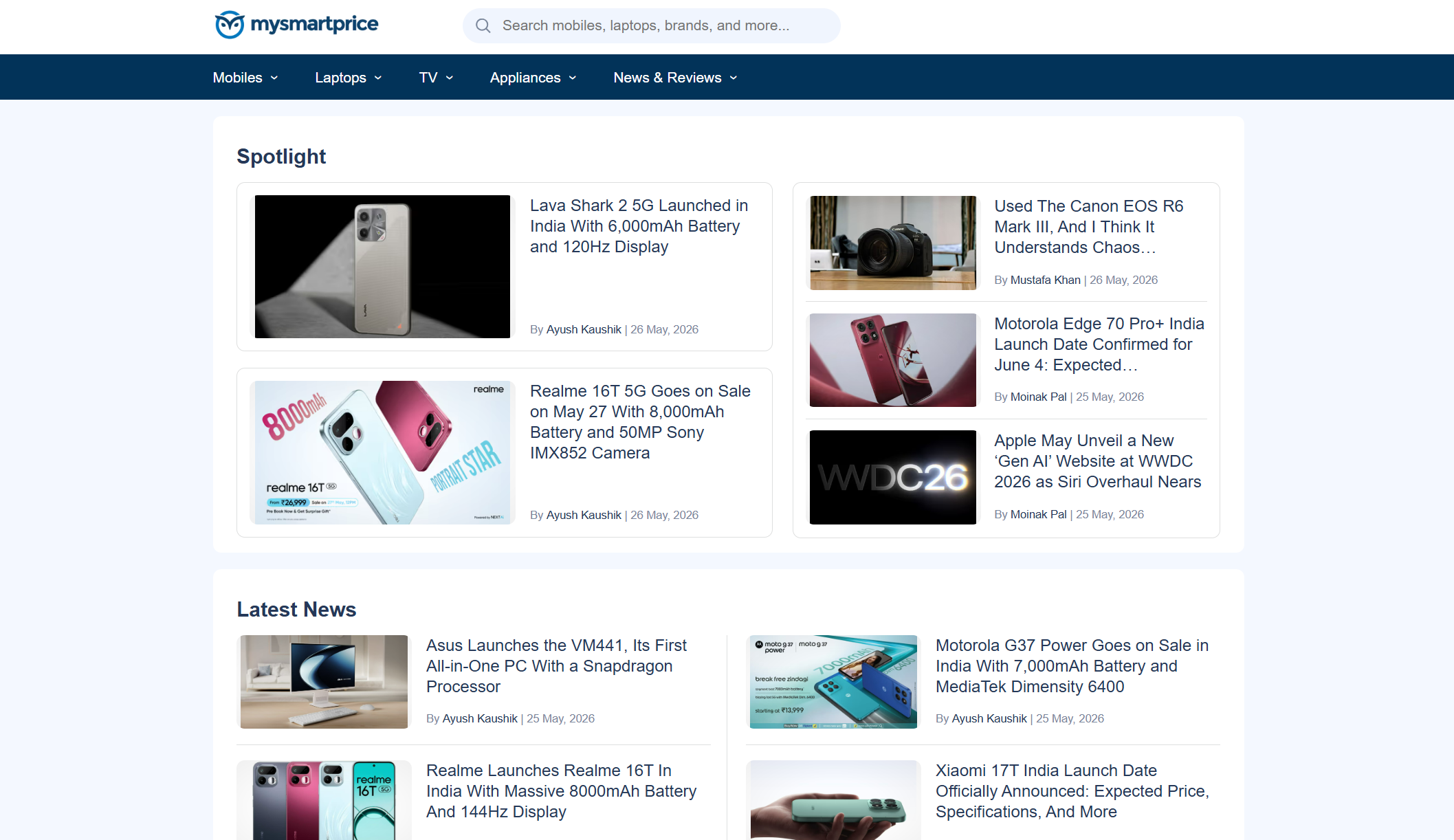
MySmartPrice is India's largest price comparison platform for electronics — smartphones, laptops, tablets, TVs, and audio equipment. It aggregates prices across retailers and helps buyers find the best deal.
How it works: MySmartPrice lists products with prices from Amazon, Flipkart, and other retailers. Users compare prices, read specifications and reviews, then click through to purchase. MySmartPrice earns affiliate commissions on completed purchases from each retailer.
What makes it successful: The price comparison model captures buyers at the decision stage — they've chosen a product and are looking for the best price. This is extremely high-intent traffic. MySmartPrice ranks prominently for "[product name] price in India" queries, which are among the most commercially valuable search terms.
Key takeaway: Price comparison sites don't need to review every product deeply. They need to accurately aggregate prices and capture the "[product] price" search intent — one of the most conversion-ready search patterns in affiliate marketing.
7. Gadgets360
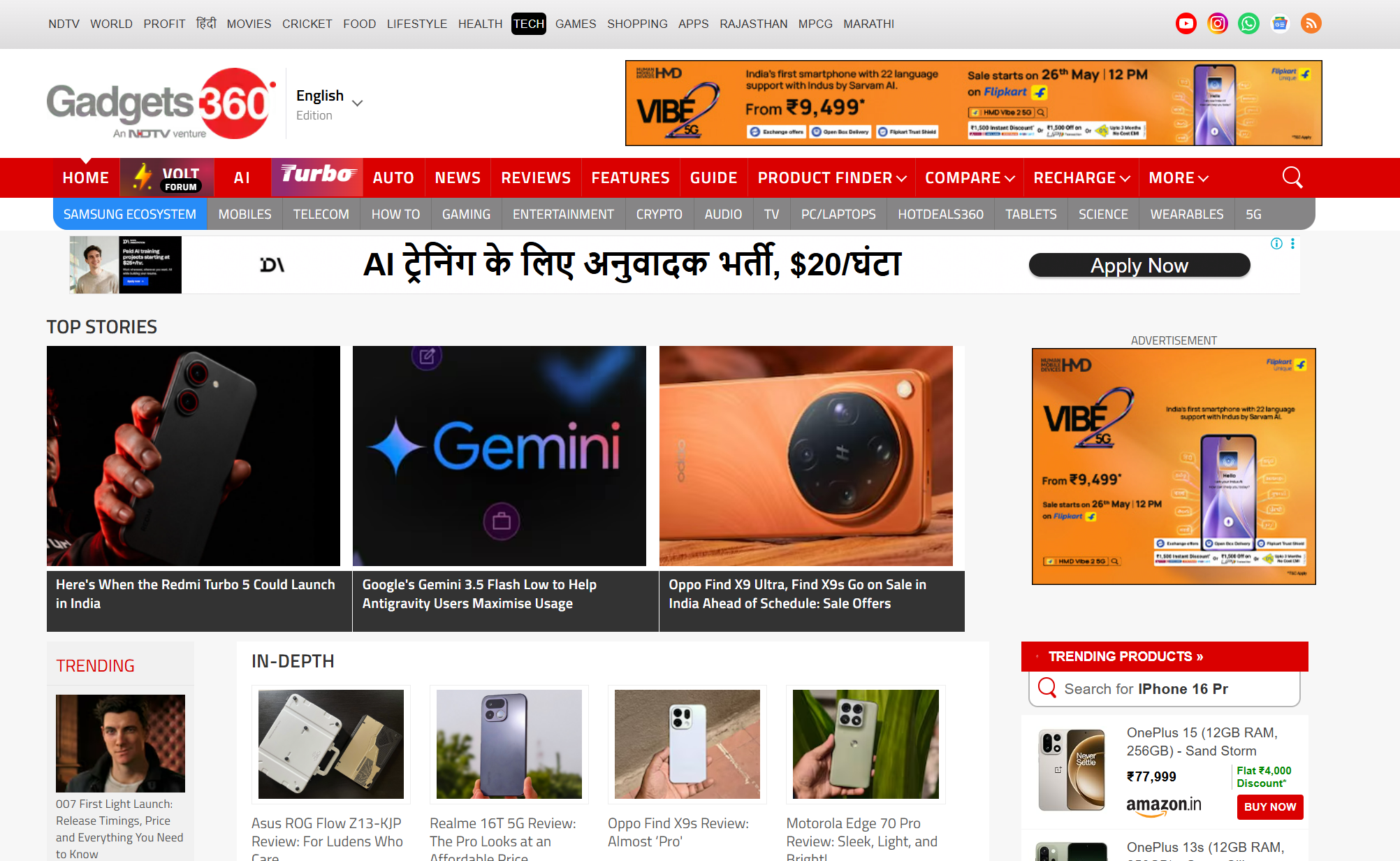
Gadgets360 (by NDTV) is India's leading technology news and review publication, covering smartphones, laptops, smart home devices, gaming, and emerging technology.
How it works: Gadgets360 publishes detailed product reviews, comparison articles, buying guides, and tech news. Product pages include "buy now" buttons linking to Amazon, Flipkart, and other retailers through affiliate links. The site monetizes through a combination of affiliate commissions and display advertising.
What makes it successful: Gadgets360's editorial credibility (backed by NDTV's media reputation) and comprehensive review methodology create deep user trust. When Gadgets360 recommends a smartphone, readers take it seriously. The massive content library (thousands of reviews and articles) generates enormous organic search traffic across tech-related queries.
Key takeaway: In competitive niches like tech reviews, editorial credibility and depth of coverage create moats that new entrants struggle to replicate. Consistent, high-quality reviews compound into domain authority over time.
8. BankBazaar
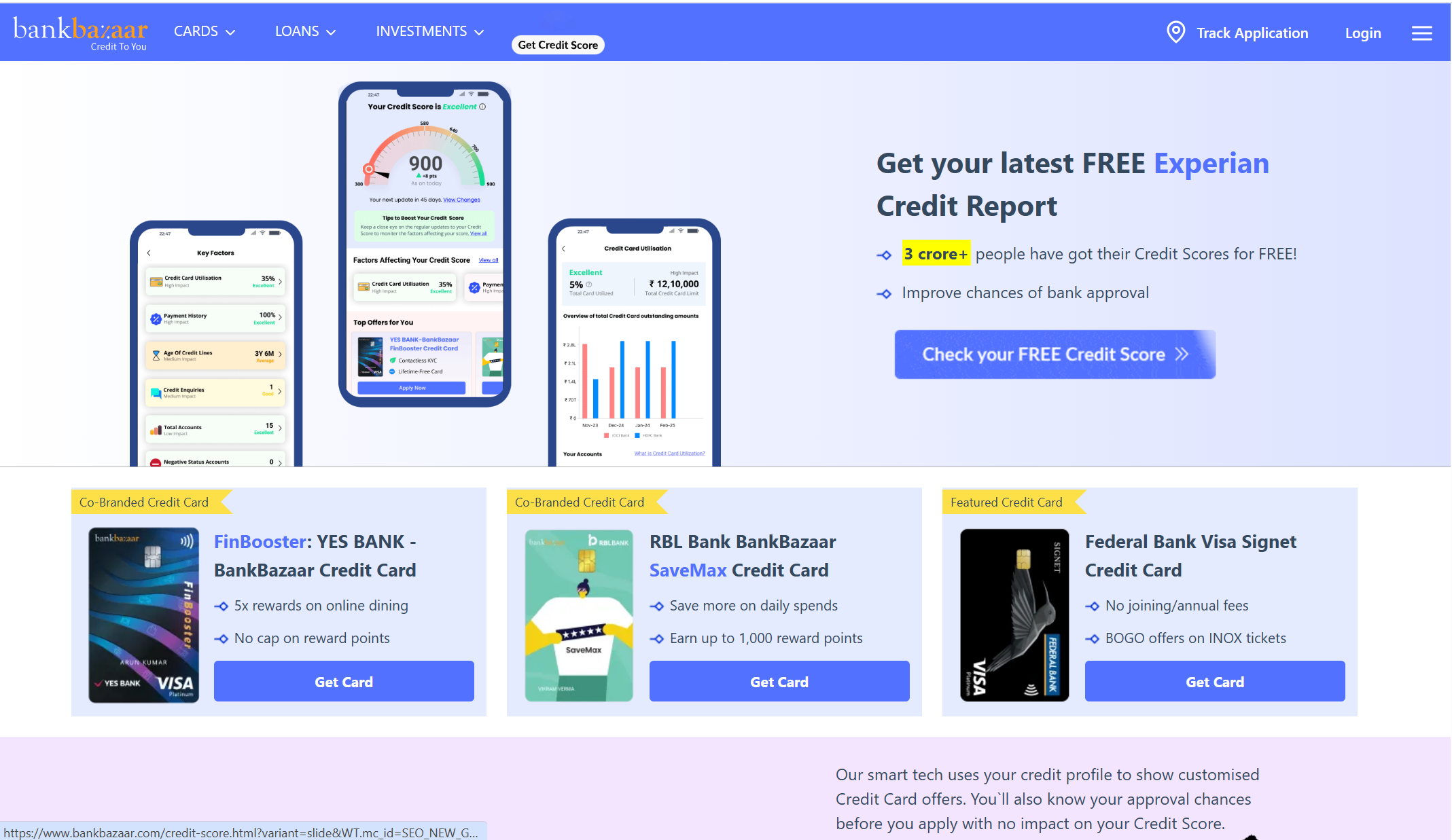
BankBazaar is India's largest financial product marketplace, helping users compare and apply for credit cards, personal loans, home loans, insurance, and fixed deposits.
How it works: BankBazaar aggregates financial products from banks and NBFCs across India. Users compare features, interest rates, and eligibility criteria, then apply through BankBazaar's platform. Revenue comes from lead generation commissions (CPL model) — banks pay BankBazaar for every qualified application.
What makes it successful: Financial products have extremely high customer lifetime values. A single credit card lead can be worth ₹500-₹2,000+. BankBazaar ranks for thousands of financial comparison queries ("best credit cards in India," "lowest home loan rates") generating high-value traffic at scale.
Key takeaway: Finance affiliate sites earn dramatically more per conversion than e-commerce sites because financial institutions pay premium commissions for qualified leads. The trade-off is higher content complexity and regulatory requirements.
9. Card Insider
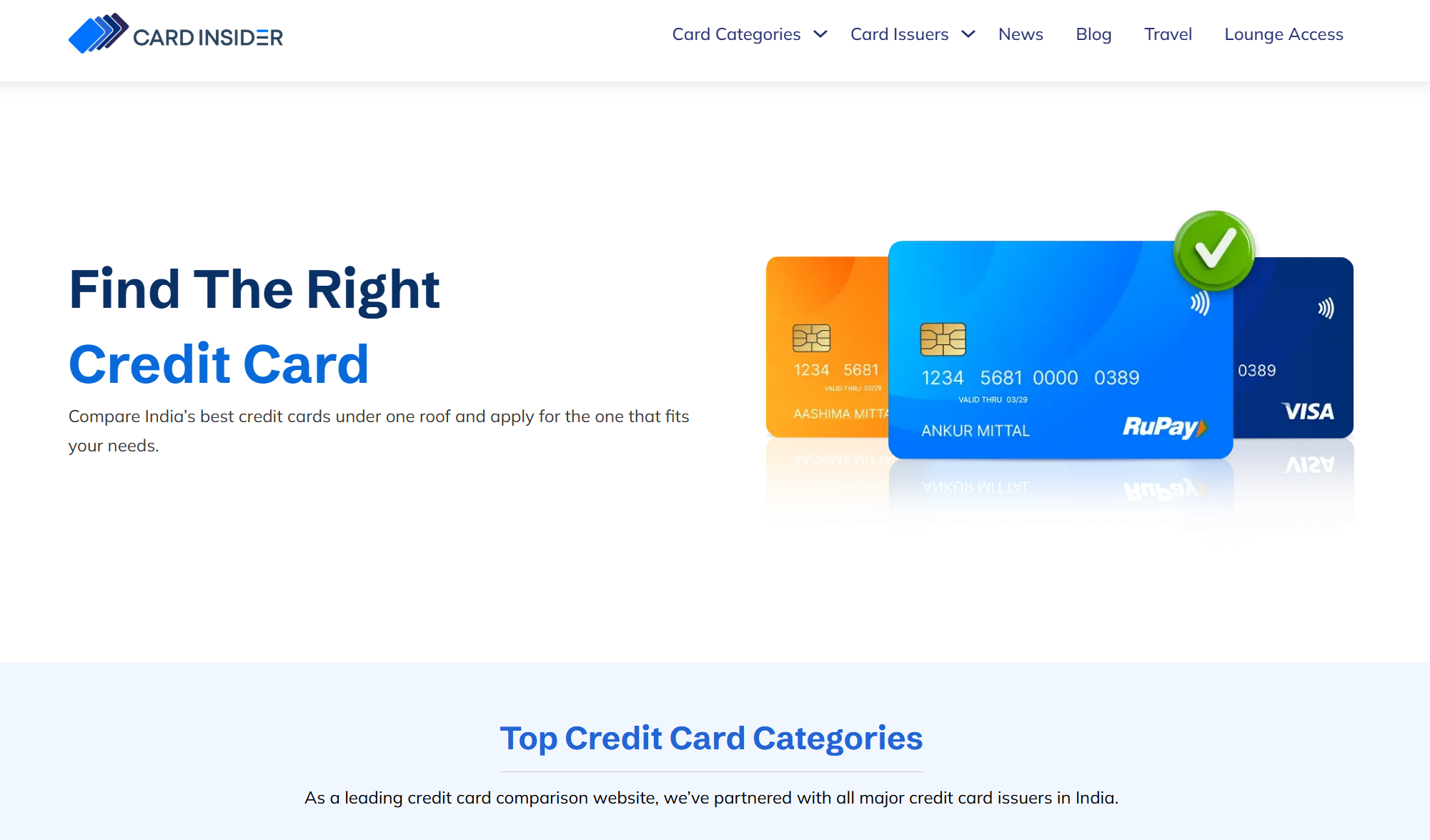
Card Insider focuses exclusively on credit card comparison, reviews, and application guidance for Indian consumers. Unlike BankBazaar's broad financial scope, Card Insider goes deep on one product category.
How it works: Detailed credit card reviews, comparison pages ("best cashback credit cards," "best travel credit cards"), and eligibility tools help users choose the right card. Application links earn lead generation commissions from card issuers.
What makes it successful: The niche focus creates topical authority that broad finance sites can't match for credit card-specific searches. Card Insider's content is incredibly detailed — covering reward structures, fee comparisons, eligibility criteria, and specific use-case recommendations.
Key takeaway: Niche focus within a high-value vertical can outperform broad coverage. Card Insider proves that going deep on one product category builds stronger topical authority than covering everything superficially. Any established affiliate agency would confirm that topical depth outperforms breadth for competitive financial keywords.
10. Investorgain
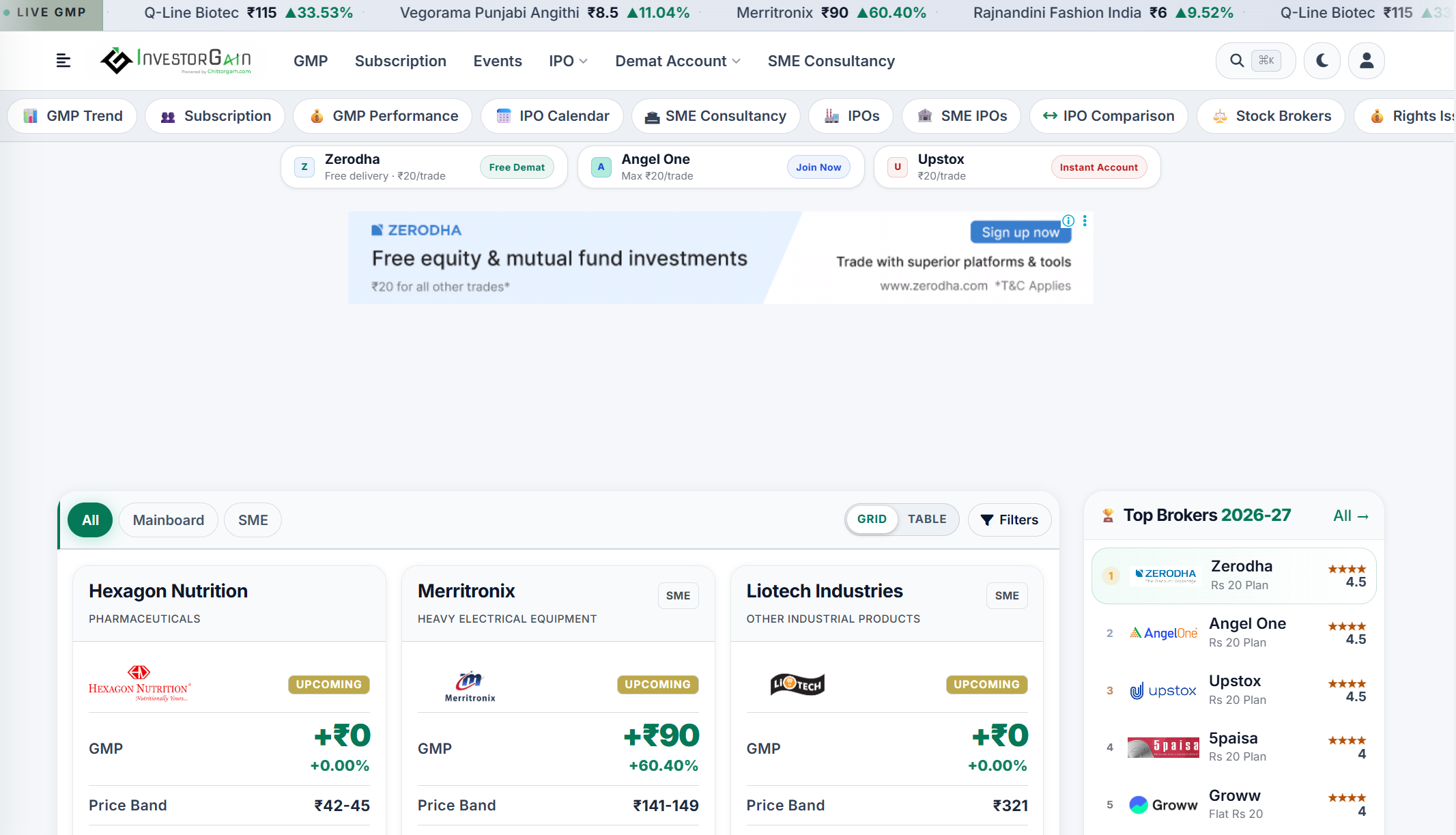
Investorgain focuses on the IPO (Initial Public Offering) and investment niche — providing IPO reviews, subscription status, allotment dates, GMP (Grey Market Premium), and listing predictions for Indian stock market IPOs.
How it works: Investorgain publishes timely, data-driven IPO analysis that attracts investors researching upcoming and ongoing IPOs. Revenue comes from display advertising (high-CPM finance traffic), affiliate partnerships with demat account providers (Upstox, Groww, Zerodha), and lead generation commissions.
What makes it successful: IPO content is intensely time-sensitive and search-driven. When a major IPO launches, millions of Indians search for reviews, allotment details, and listing predictions. Investorgain captures this surge traffic through well-optimized, quickly-published content.
Key takeaway: Time-sensitive content in financial niches drives massive traffic spikes. Sites that publish first and most accurately for trending financial topics capture disproportionate search traffic and affiliate conversions.
11. LBB (Little Black Book)
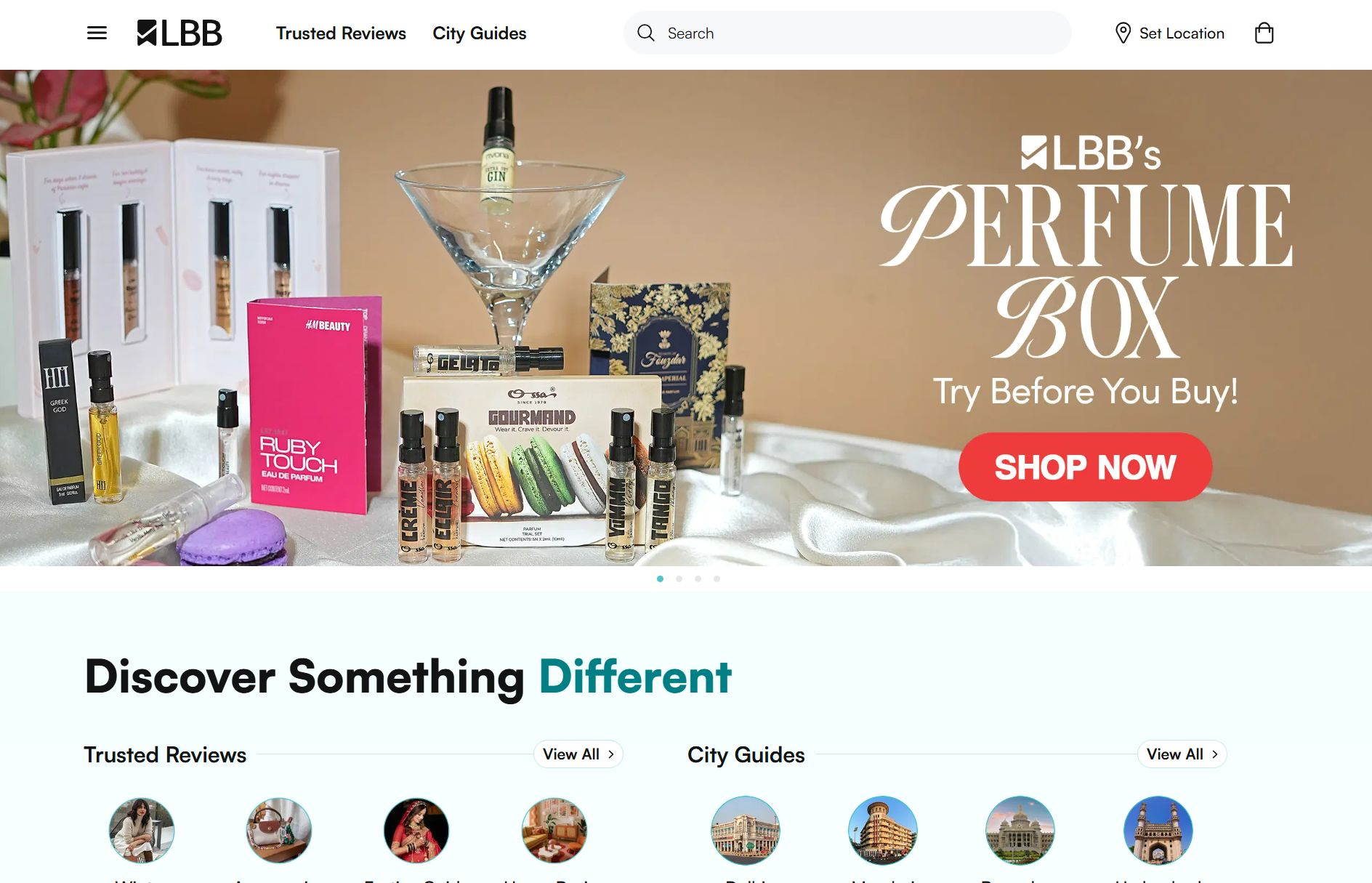
LBB is India's largest local discovery and shopping platform, helping users find the best restaurants, shops, experiences, and products in Indian cities.
How it works: LBB publishes curated recommendations — "best cafes in Bangalore," "hidden shopping spots in Delhi," "unique gifts under ₹500." Product recommendation articles include affiliate links to Amazon, Myntra, and other retailers. Revenue combines affiliate commissions with brand partnerships and advertising.
What makes it successful: LBB's hyperlocal content creates extremely engaged audiences in specific cities. The platform has built trust as the go-to source for local discovery, and product recommendations feel like natural extensions of that trusted curation.
Key takeaway: Hyperlocal content combined with product affiliate recommendations creates a unique model where local audience trust drives e-commerce conversions.
12. HerZindagi
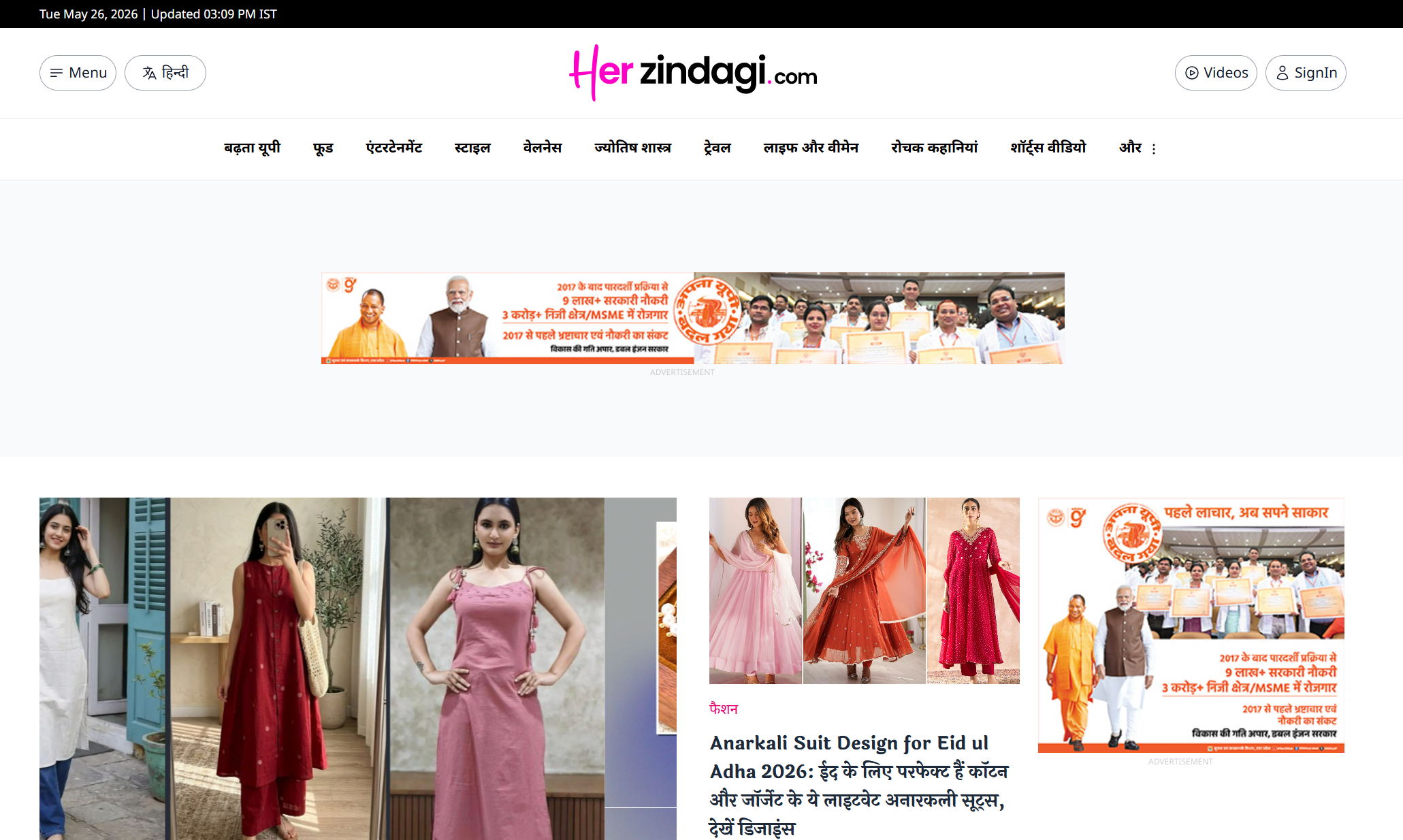
HerZindagi is a women-focused digital media platform covering beauty, fashion, health, relationships, home, and lifestyle. It's one of India's largest women's content destinations.
How it works: HerZindagi publishes beauty product reviews, fashion recommendations, health tips, and lifestyle guides. Product recommendation articles include affiliate links to relevant retailers. Revenue comes from affiliate commissions, display advertising, and sponsored content.
What makes it successful: The platform serves one of India's largest and most engaged online demographics — women seeking beauty, fashion, and lifestyle content. Product recommendations within trusted editorial content convert naturally because the audience values HerZindagi's curation.
Key takeaway: Serving a specific demographic deeply — and building trust through consistent quality — creates an audience that follows your product recommendations because they trust your editorial judgment.
13. MensXP
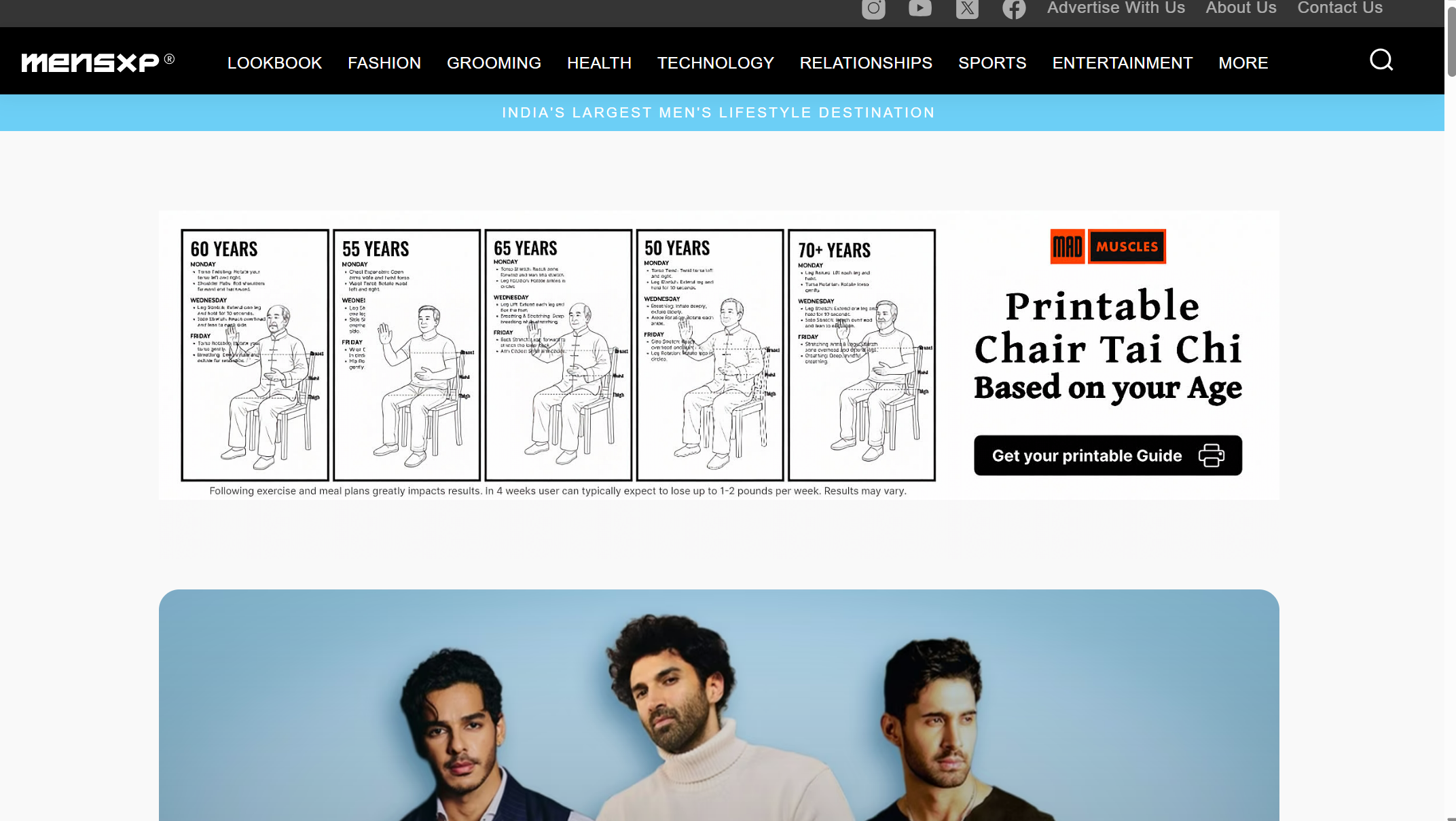
MensXP is India's leading men's lifestyle platform covering grooming, fashion, fitness, technology, and entertainment. It's the male counterpart to platforms like HerZindagi.
How it works: Product reviews, grooming guides, fashion recommendations, and gadget roundups include affiliate links to Amazon, Myntra, Flipkart, and other retailers. Revenue combines affiliate commissions with significant display advertising and brand partnership income.
What makes it successful: MensXP has built strong brand recognition among Indian men aged 18-35. Product recommendations within content about grooming routines, wardrobe essentials, and tech gadgets convert well because the audience treats MensXP as an authority on men's lifestyle choices.
Key takeaway: Building a media brand around a specific audience (not just a product category) creates multiple monetization paths — affiliate commissions, display ads, and brand deals all compound from the same audience.
14. Archana's Kitchen
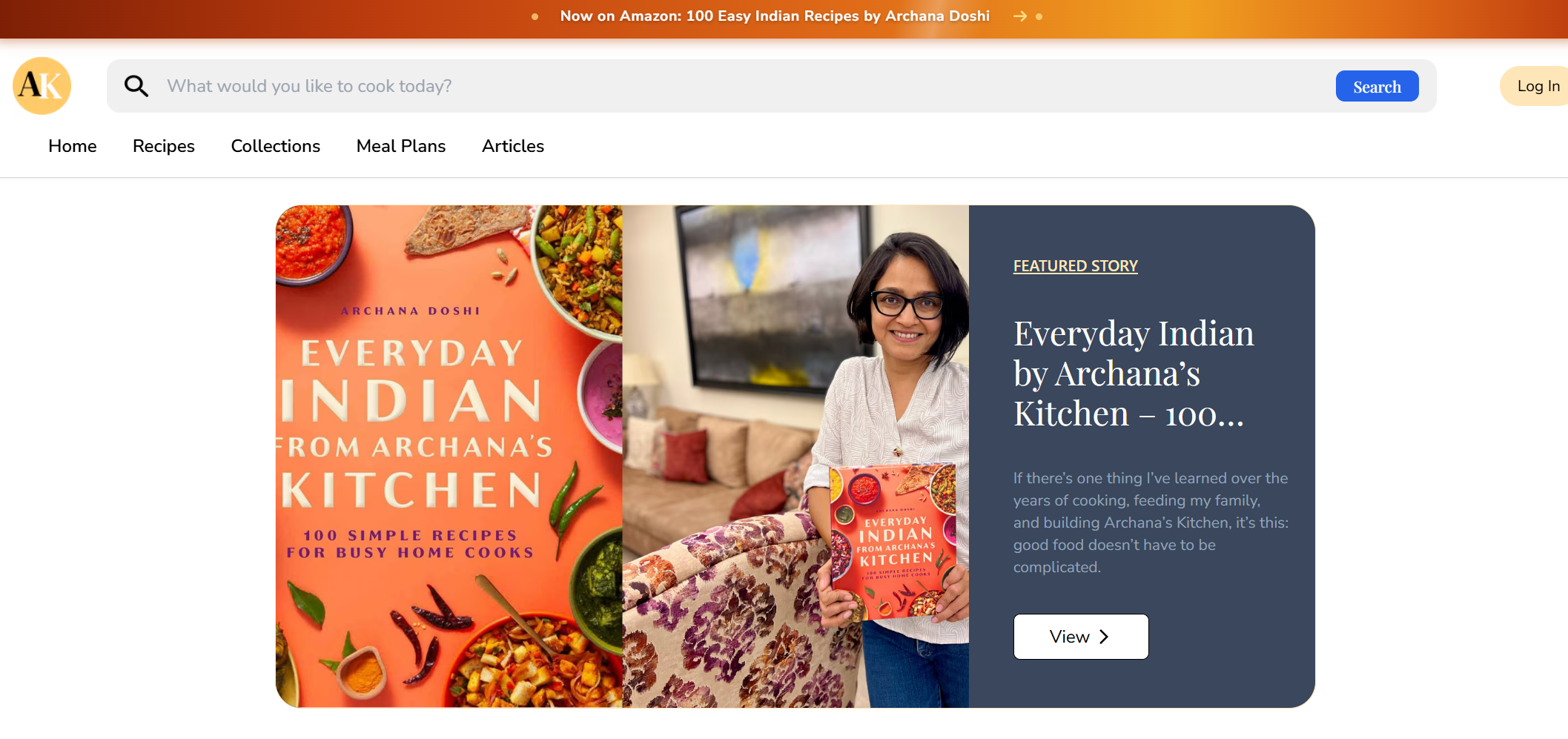
Archana's Kitchen is India's most popular online recipe and cooking platform, founded by Archana Doshi. It publishes thousands of vegetarian and non-vegetarian Indian recipes with step-by-step instructions.
How it works: Recipes naturally recommend kitchen tools, appliances, ingredients, and cookbooks — each linked through affiliate programs. Revenue combines affiliate commissions from Amazon Associates (kitchen products) with display advertising and premium content.
What makes it successful: Cooking content has enormous search volume in India, and recipe pages have exceptional longevity — a dal recipe published in 2018 still generates traffic in 2026. Kitchen product recommendations within recipes feel genuinely helpful rather than promotional.
Key takeaway: Content niches with natural product recommendations (cooking → kitchen tools, photography → camera gear, fitness → equipment) create seamless affiliate monetization where the recommendation enhances rather than interrupts the content experience.
15. ShoutMeLoud
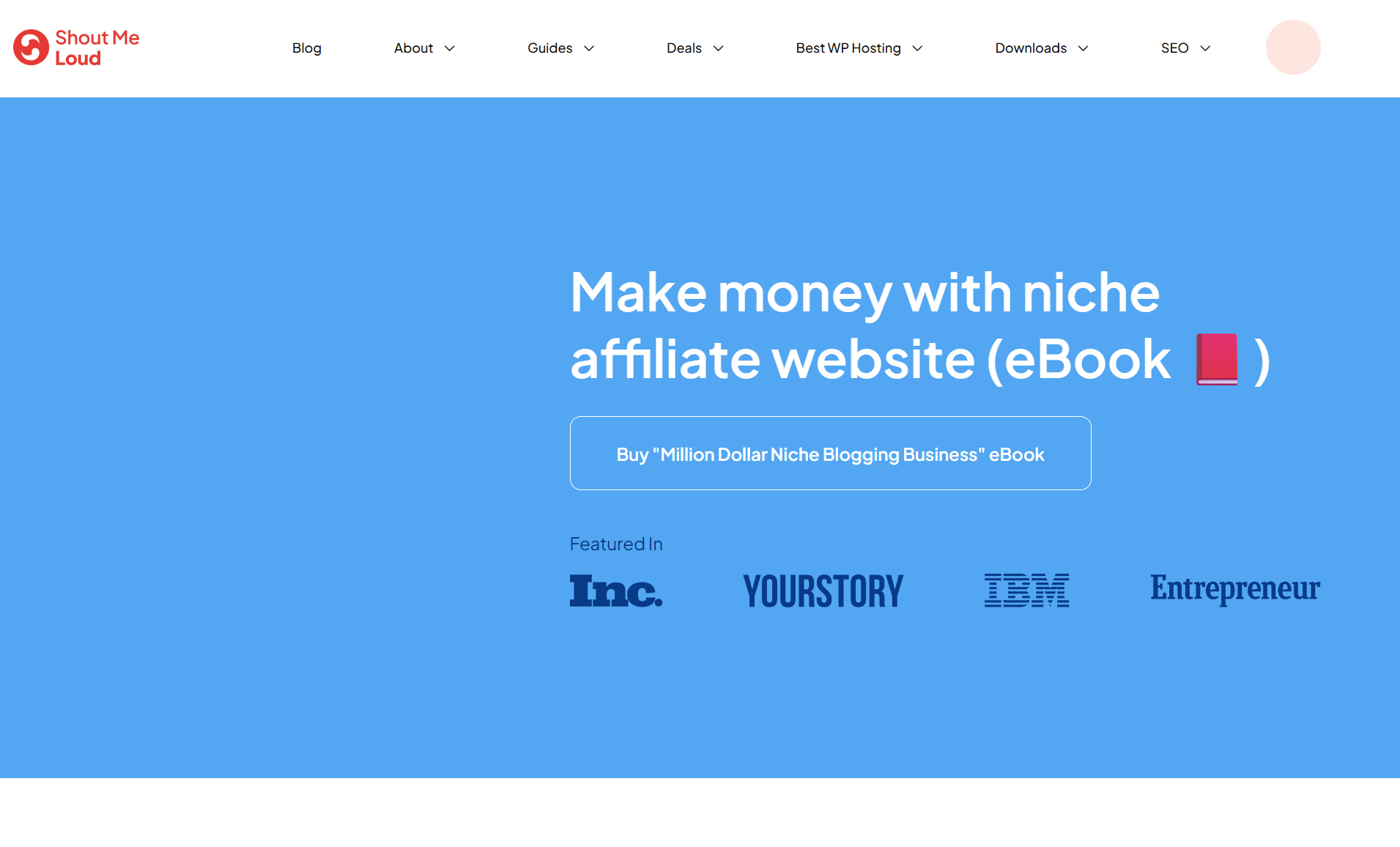
ShoutMeLoud, founded by Harsh Agrawal, is one of India's oldest and most recognized blogging and digital marketing education platforms. It teaches people how to start blogs, drive traffic, and monetize through affiliate marketing and advertising.
How it works: Tutorials about blogging tools, hosting providers, SEO tools, email marketing platforms, and WordPress themes naturally include affiliate links to the recommended tools. Revenue comes from affiliate commissions (hosting, SaaS tools), display advertising, and courses.
What makes it successful: ShoutMeLoud practices what it teaches — the site earns affiliate income by recommending the exact tools and services it teaches its audience to use. This creates perfect alignment between educational content and affiliate monetization. Hosting affiliate commissions (Bluehost, Hostinger) are particularly lucrative.
Key takeaway: Teaching a skill that requires tools creates the most natural affiliate monetization path possible. "Here's how to do X, and here's the tool I recommend for it" is the highest-converting affiliate content structure.
16. MasterBlogging
MasterBlogging focuses on advanced blogging strategies, SEO techniques, and online business building — targeting a more experienced audience than beginner-focused blogging sites.
How it works: In-depth guides about SEO tools, content marketing platforms, hosting providers, and business software include detailed affiliate recommendations. Revenue comes primarily from affiliate commissions on SaaS and hosting products, supplemented by display advertising.
What makes it successful: MasterBlogging's content targets higher-intent keywords — people searching for specific tool comparisons and advanced strategies are closer to purchasing decisions than beginners researching basics. The detailed, data-driven approach builds credibility that drives conversions.
Key takeaway: Targeting intermediate and advanced audiences (not just beginners) in the blogging/marketing niche often produces higher per-visitor affiliate revenue because these audiences have budgets and are actively evaluating tools.
Key Lessons From These 16 Affiliate Website Examples
Studying these sites reveals patterns that apply regardless of your specific niche.
Niche Focus Outperforms Broad Coverage
Card Insider (credit cards only), Investorgain (IPOs only), and Archana's Kitchen (recipes only) demonstrate that going deep in one topic builds stronger topical authority and user trust than covering everything superficially.
Content Quality Drives Long-Term Traffic
Gadgets360, ShoutMeLoud, and MySmartPrice all built their traffic through years of consistent, high-quality content creation. There are no shortcuts to domain authority — it compounds through genuine editorial investment.
Multiple Revenue Streams Create Stability
Most successful sites combine affiliate commissions with display advertising, sponsored content, and sometimes their own products. This diversification protects against any single revenue source changing terms.
User Trust Is the Ultimate Conversion Factor
Every successful site on this list has built audience trust through honest recommendations, transparent content, and consistent quality. Trust converts. Promotion without trust doesn't.
As you build your own affiliate site inspired by these models, working through an established affiliate marketing network provides access to the brand campaigns, tracking infrastructure, and account management that make scaling from a small site to a substantial affiliate business realistic and structured.
Conclusion
These 16 affiliate website examples in India prove that affiliate marketing works across every model — coupon aggregation (DesiDime, CouponDunia, GrabOn), cashback platforms (CashKaro, Zingoy), price comparison (MySmartPrice), tech reviews (Gadgets360), finance comparison (BankBazaar, Card Insider, Investorgain), lifestyle media (LBB, HerZindagi, MensXP), recipe content (Archana's Kitchen), and blogging education (ShoutMeLoud, MasterBlogging).
The common thread isn't the model — it's the execution. Each site chose a niche, created consistently valuable content, built audience trust, and monetized that trust through relevant affiliate recommendations. The model varies. The principles don't.
Study the sites most relevant to your niche. Understand what they do well. Then build your own version — with your unique angle, your genuine expertise, and the patience to let your content compound over time.